A Field Guide to Sustainable Building Materials in East Africa

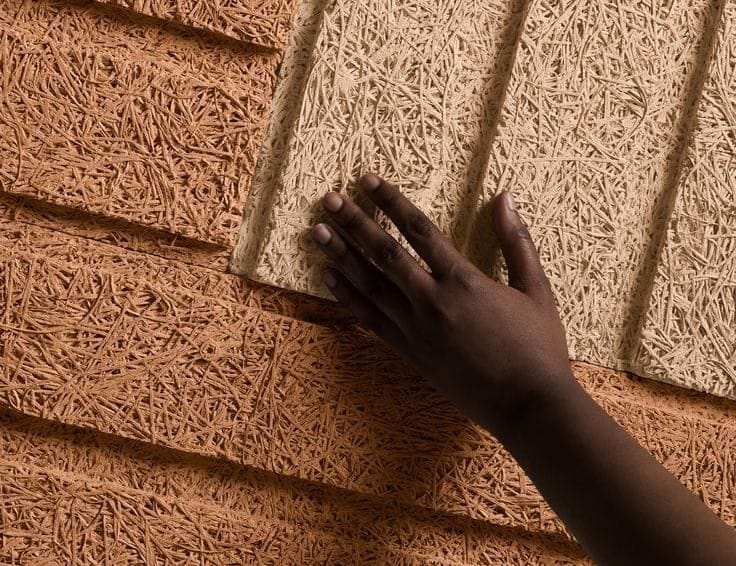
Issue 02 · March 2026 · The Mud & Glass Review
Seven materials beneath your feet, around your walls, and above your head — and the honest case for using them.
The most important question you can ask about any building material is not how much does it cost? It is where does it come from?
Because the answer to the second question almost always changes your answer to the first. Materials that travel thousands of kilometres to reach your site carry invisible costs — in carbon, in foreign exchange, in supply chain vulnerabilities that every Kenyan contractor discovered acutely when global shipping collapsed in 2021. Materials that come from the earth beneath your site carry none of these. They are already there. They have already been tested, for centuries, by the climate they are about to encounter.
This guide covers seven materials available in East Africa that deserve to be specified far more often than they are. Consider it a working reference — the kind of document you consult before a site meeting, a procurement decision, a client conversation. These are not experimental materials. They are the materials that built this continent. The experiment is the one currently being attempted with imported alternatives.
01. Compressed Earth Blocks (CEB)
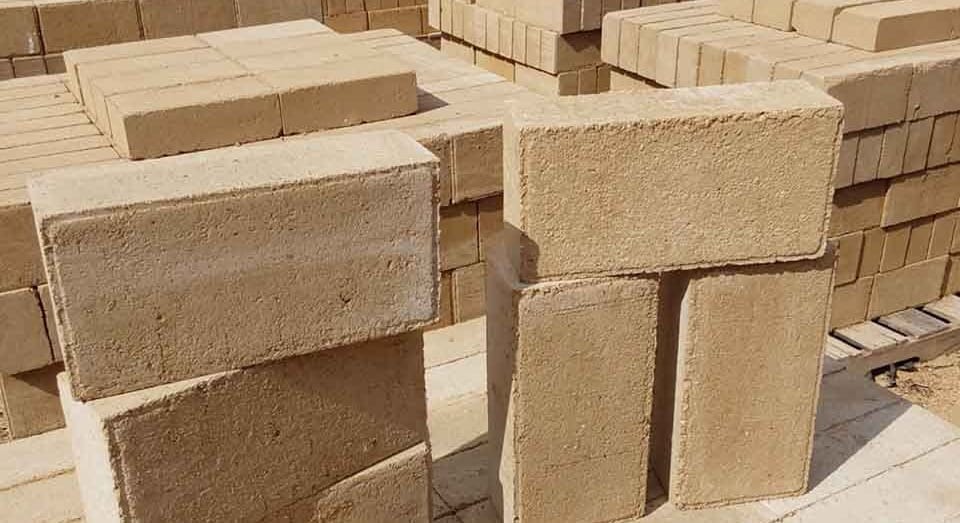
Mechanically pressed soil — clay, sand, and silt — often stabilised with 4–10% cement or lime, compressed into uniform blocks producible on-site or sourced locally. CEBs consume approximately one-fifth to one-fifteenth of the energy required to produce conventional fired bricks, and earth wall systems built from them reduce embodied energy by 62–71% compared to conventional wall construction.[1] In Kenya's Laikipia County, CEB homes stay measurably cooler than adjacent cement block structures at 30°C ambient temperatures, while costing approximately 40% less and saving 10–15% on lifetime cooling costs through passive thermal mass alone.[2][3]
Source: Makiga Engineering, Nairobi. Best for: Affordable housing, schools, community buildings in dryland and highland Kenya. Watch out for: Prolonged water exposure without roof protection. Always test site soil before on-site production.
02. Rammed Earth
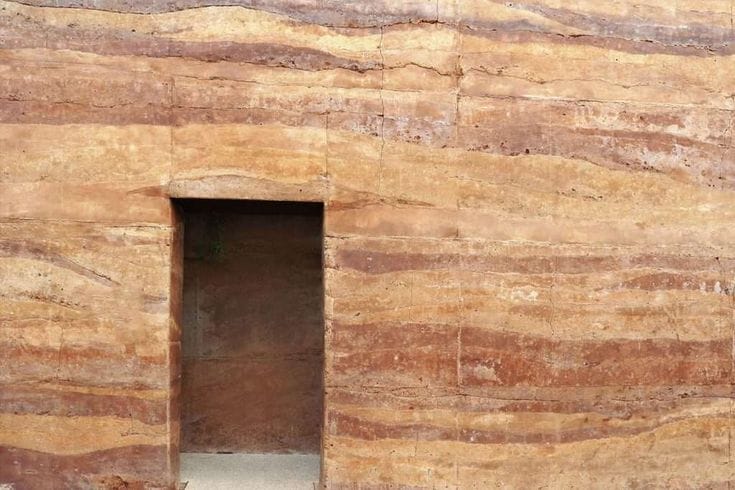
Moist subsoil compacted in layers inside temporary formwork — clay, sand, gravel, and silt — producing monolithic walls of extraordinary thermal and visual density. Compared to conventional fired brick (embodied energy 1,000–2,000 MJ/m³), stabilised rammed earth produces embodied energy of approximately 705 MJ/m³ and embodied carbon of 177 kg CO₂e/m³.[4] Its thermal inertia delays heat transfer by up to 90 minutes and reduces indoor temperature fluctuations through passive mass alone — no mechanical intervention required.[5]
The most visually distinctive wall system in sustainable architecture. The stratum of compressed earth, visible in every rammed earth wall, is not decoration — it is a record of the land the building grew from.
Source: On-site from excavated subsoil; specialist contractor required. Find through the Architectural Association of Kenya. Best for: Luxury residential, hospitality, cultural buildings; minimum 300mm wall thickness. Watch out for: Poor wet-weather performance without adequate roof overhang. Structural engineer required for multi-storey applications.
03. Laterite Stone
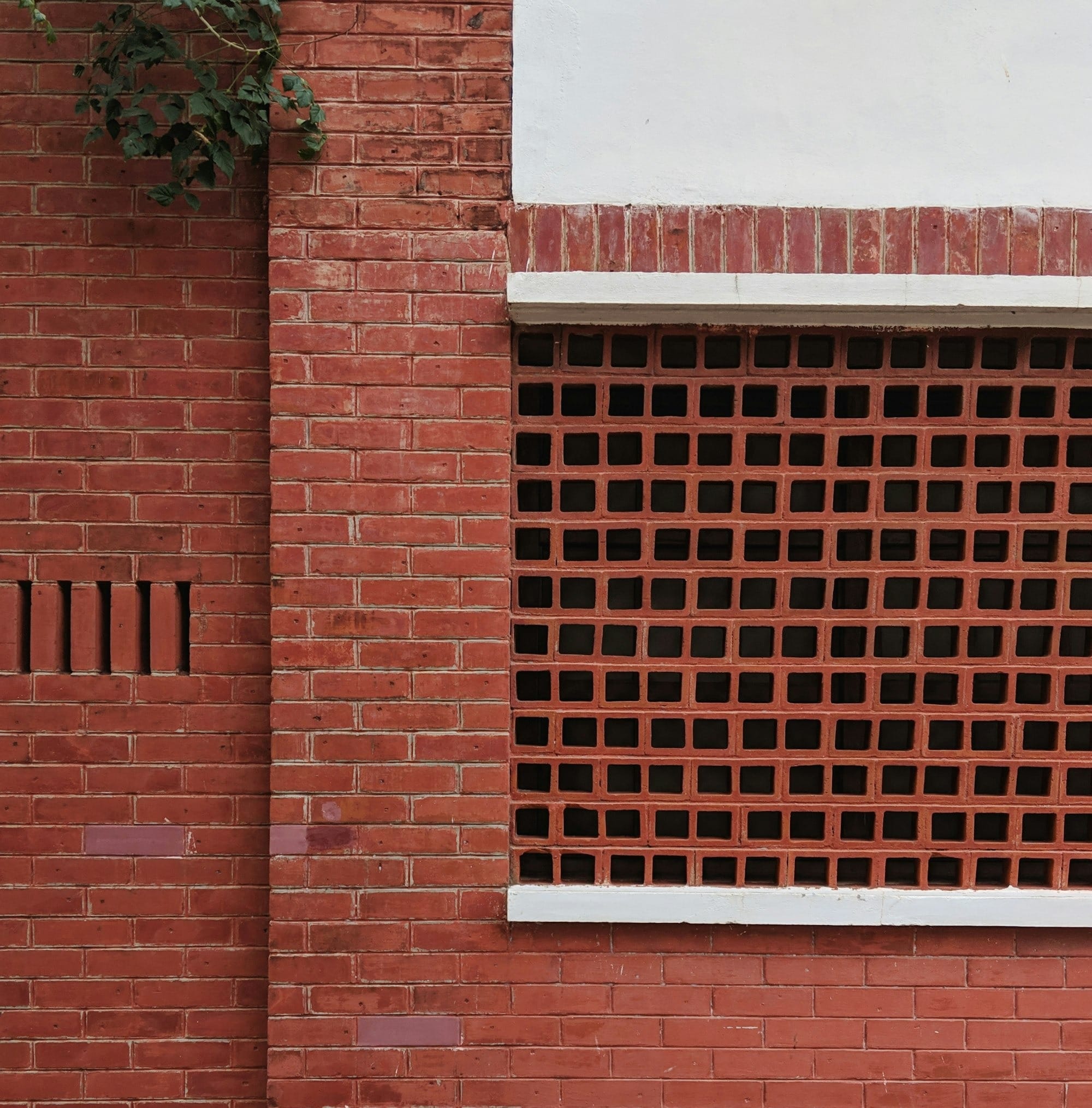
The red-brown volcanic stone visible across Kenya wherever a road cuts through a hill or a quarry opens a hillside. Known as Ndarugo stone, murram stone, or machine-cut stone — one of the most widely used building materials in Kenya already, though its ecological and thermal advantages are rarely articulated by the people specifying it.
Machine-cut laterite prices at KES 20–27 per block, with a standard 3-bedroom house requiring approximately 2,700 blocks.[6] Against steel at KES 95,000–120,000/tonne and cement at KES 650–880/bag, laterite stone remains among the most cost-effective structural wall materials in Kenya.[7] Its high thermal mass naturally moderates indoor temperature swings — absorbing heat through the day, releasing it at night — reducing or eliminating mechanical cooling in well-designed passive buildings.
Source: Quarries near Thika Road, Machakos, Kisumu, and across the Rift Valley. Buy from the quarry closest to your site. Best for: Load-bearing walls in all residential and commercial typologies. Watch out for: Pale or yellow stone indicates low density — specify hard blue or grey laterite only.
04. Bamboo

A fast-growing grass — not a tree — with tensile strength comparable to steel and compressive strength comparable to concrete per unit weight. Kenya has approximately 140,000 hectares of bamboo, the overwhelming majority unharvested.[8] The primary East African species, Oxytenanthera abyssinica, matures in 3–5 years versus 25–50 for structural timber, with a lifecycle sustainability profile reportedly 20 times that of wood.[9] The Bamboo Association of Kenya is unambiguous: the barrier to adoption is not supply. It is awareness and processing infrastructure.[8]
Nairobi-based We Do Bamboo is developing bamboo composite boards, decking, and cladding panels in partnership with local farmers — products that compete directly with imported hardwood at lower cost and a fraction of the ecological footprint.[10]
Source: We Do Bamboo, Nairobi; raw poles from Kenya Forestry Research Institute and farmers in Nyeri, Murang'a, and Kisii. Best for: Cladding, interior panels, flooring, pergolas, secondary framing. Watch out for: Always specify treated bamboo for structural and exterior applications. Connection detailing is critical — work with a contractor who knows the material.
05. Lime Plaster & Render
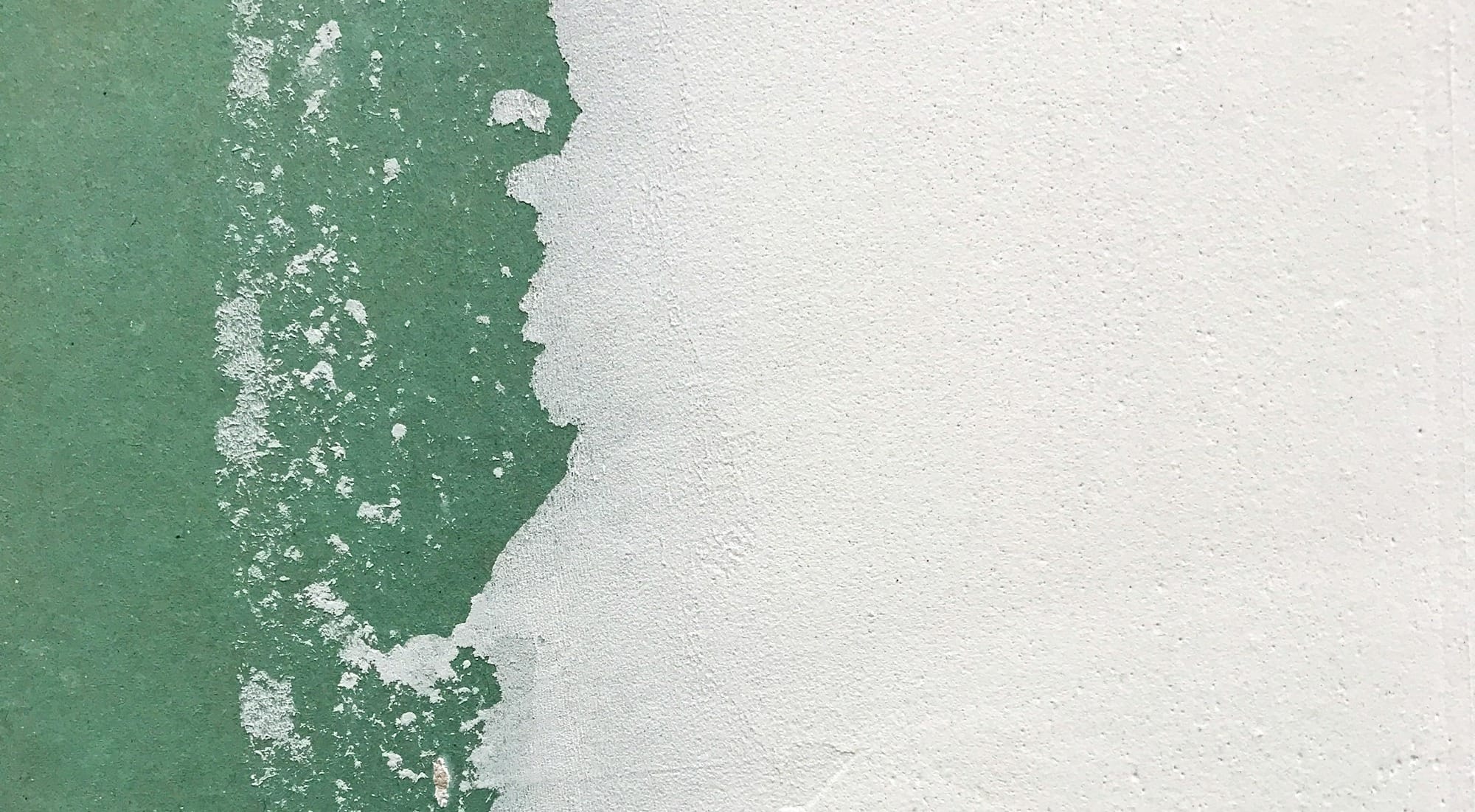
A finish and binding material made from limestone burned at approximately 900°C — significantly lower than the 1,400°C required for Portland cement. After application, lime hardens through carbonation, reabsorbing CO₂ from the atmosphere as it cures. It is, in the most literal sense, a material that repairs its own carbon debt as it ages.
Portland cement accounts for approximately 8% of global CO₂ emissions.[11] Switching from cement screed to limecrete reduces embodied carbon by approximately 90% — from 100 kg CO₂e/tonne to 13.58 kg CO₂e/tonne.[12] Unlike cement render, which traps moisture and causes slow structural deterioration, lime is vapour-permeable — the wall breathes. It becomes stronger with age. It has been keeping interiors cool and surfaces clean across North Africa and the Indian Ocean building world for millennia.[13]
Source: Hydrated lime in 50kg bags widely available from building merchants across Kenya; East African Portland Cement Company produces it. Best for: Finish plaster on earthen walls, stone, and brick; external render in humid and coastal zones. Watch out for: Lime sets slowly — patience required. Do not mix with Portland cement at high ratios; this undermines vapour permeability.
06. Recycled Steel & Reclaimed Timber
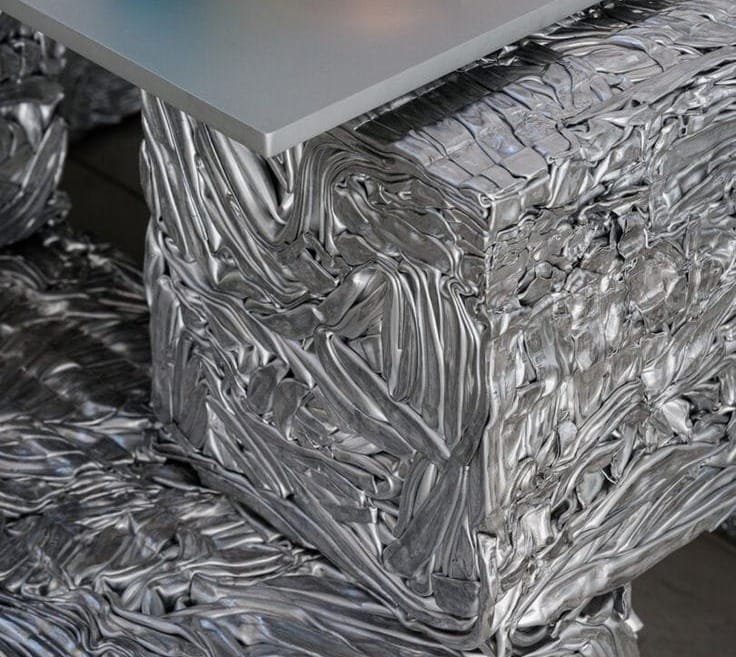
The greenest material is the one already in existence. New steel production generates approximately 1.85 tonnes of CO₂ per tonne produced. Recycled steel generates 0.4–0.6 tonnes — a 70–75% reduction in embodied carbon — at a 20–40% discount against new steel pricing.[7] Reclaimed timber from demolition, railway sleepers, and decommissioned structures provides equivalent structural performance for interior framing, flooring, and joinery at significantly lower cost and zero additional deforestation.
In a construction sector that imports materials it could source locally and buys new what it could recover and reuse, recycled steel and reclaimed timber represent the most direct application of circular economy principles available to any Kenyan contractor today.
Source: Metal Kenya, Nairobi (recycled steel); Gikomba timber yards, Nairobi (reclaimed timber); Kisii and Eldoret markets for regional supply. Best for: Urban construction, renovation, and adaptive reuse projects. Watch out for: Verify structural grade before specifying recycled steel. Inspect reclaimed timber for termite damage, rot, and moisture content.
07. Makuti / Thatch
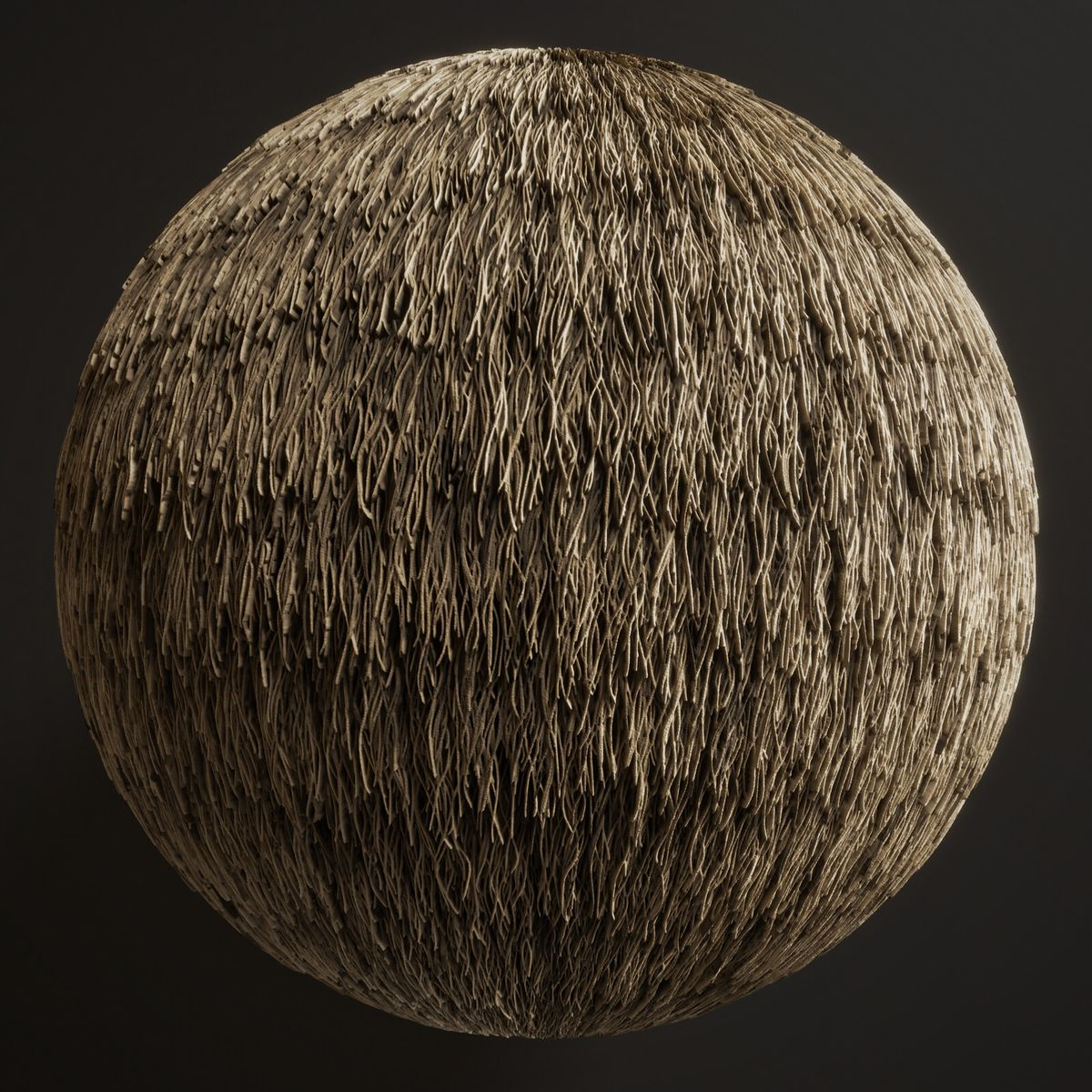
Roofing woven from dried coconut palm fronds — harvested without cutting the tree — layered to approximately 300mm thickness over a structural frame. A well-installed makuti roof lasts 8–15 years and provides outstanding passive thermal and acoustic insulation, in many coastal applications eliminating air conditioning entirely.[14][15] Hotels along the Kenyan coast have known this for decades: guests find naturally cooled thatched rooms more comfortable than mechanically cooled ones.
The weaving is done almost entirely by skilled women in coastal communities — a generational craft that supports household livelihoods and preserves a knowledge system as sophisticated as any contemporary roofing technology.[16] When you specify makuti, you are not choosing a traditional material over a modern one. You are choosing the right material for the climate, made by people who have understood that climate for centuries.
Source: Makuti Roofing Company, Nairobi; coastal suppliers in Mombasa, Malindi, Lamu, and Kilifi. Best for: Coastal residential, hospitality, cultural, and community buildings; gazebos and outdoor structures inland. Watch out for: Highly combustible — no open fires or kitchens beneath. Requires minimum 45° roof pitch. Re-ridge every 2–3 years to extend lifespan.
A Note on What Comes Next
This guide covers seven materials. Sisal fibre, volcanic pumice, fired earth tile, and recycled glass block each deserve equal treatment. Future issues will cover them.
What this guide should do is change the default question on your next project. Not what is the conventional material for this application? But what is the material that comes from here?
The answers are almost always cheaper, thermally superior, and ecologically more honest than the imported alternatives dominating East African specification schedules. They require more knowledge, more care, and more craft. That is not a reason to avoid them. It is a reason to invest in the professional capacity to use them — the most urgent and most neglected task in East African sustainable construction today.
The Mud & Glass Review will keep making the case.
References
- Gebremichael, M. et al. Carbon Conscious Construction: Evaluating Compressed Stabilized Earth Blocks. Buildings, MDPI, 2025.
- Climate Home News. Earth blocks keep homes cool while cutting emissions in Kenya's drylands. December 2025.
- RISE International. Building with Compressed Earth Block. 2024.
- Ahmad, S. et al. Thermal insulation and mechanical performance of sustainable rammed earth walls. Scientific Reports, 2025.
- Sakhri, B. et al. Thermal environment in rammed earth structures. Energy and Buildings, 2025.
- Beyond Forest. Building materials list and price in Kenya. 2025.
- Zao Construction. Construction Costs in Kenya 2025. 2025.
- Daily Nation. How bamboo is redefining sustainable construction in Kenya. May 2025.
- Oyetunji, A. et al. Bamboo in sustainable construction. IJPPM, 2024.
- We Do Bamboo. Specifying Bamboo Composite in Kenya. February 2026.
- Build With RISE. How Lime Mortars Help Reduce Your Home's CO2 Emissions. 2025.
- Unagru Architecture. Limecrete v Concrete. February 2025.
- Natural Building Australia. The wonders of Lime as render. August 2025.
- The Standard. Why Makuti roof is a lasting feature in Coast hotel designs.
- Makuti Roofing Company. makutiroofing.co.ke.
- Spaces by Odo. History with Jimmy: Makuti Roofing. 2017.
Ruby Odhiambo is the founder of Kolando Limited, a sustainable architecture and design studio based in Nairobi. Certified in Sustainable Finance for Climate and Energy (UNDP) and in green building through EDGE (IFC). If you are specifying materials for a project that should last — get in touch.
The Mud & Glass Review is published every Tuesday. Subscribe free at the-mud-and-glass-review.ghost.io
Issue 02 · March 2026 · © The Mud & Glass Review · Kolando Limited
